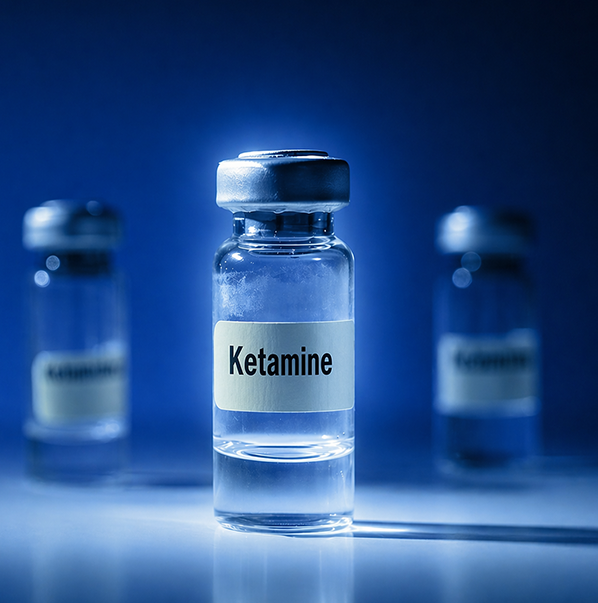
Ketamine was originally approved by the FDA as an anesthetic and is now used in lower, sub-anesthetic doses as an off-label treatment for conditions like depression, anxiety, and other mental health challenges especially when traditional treatments haven’t been effective. It has gained increasing attention in recent years, supported by ongoing research and clinical use.
It can be administered in several ways, including IV, IM, sublingual (lozenge), oral, and intranasal. As a DEA Schedule III medication, ketamine has a long history of safe medical use.
Ketamine is classified as a dissociative anesthetic, meaning it can create a temporary sense of disconnection from usual awareness. During a session, many people experience relaxation, emotional insight, and shifts in perspective. These altered states, typically lasting 30–90 minutes, can support meaningful breakthroughs and, over time, contribute to lasting therapeutic change especially when combined with guided integration.
What is
Ketamine?
Ketamine is a safe, legal, and effective medicine used to support a range of mental health conditions, including depression, anxiety, and PTSD. It is known for its rapid effects many people begin to notice improvements in mood within 1–2 hours, with benefits that can last up to two weeks.
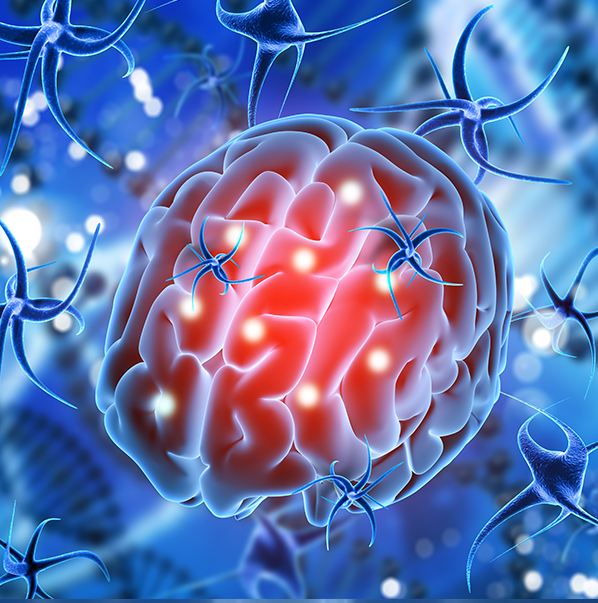
It works by influencing key brain receptors (NMDA and AMPA), helping to create new neural connections and improve the brain’s ability to regulate stress and mood. This process, known as neuroplasticity, supports deeper and more lasting change.
Ketamine can be administered in several forms, including IV infusion, intramuscular injection, nasal spray, and sublingual lozenges. In my practice, I work exclusively with the sublingual lozenge form, allowing for a safe and accessible at-home experience.
The Benefits of
Ketamine Assisted Psychotherapy
Rapid Antidepressant Effects
Reduction of Suicidal Thoughts
trauma Healing
Mood and Anxiety Relief
Improved Neuroplasticity
How Does
Ketamine Work?
Ketamine works on key brain receptors involved in memory and learning, helping to support neuroplasticity the brain’s ability to form new connections. This creates a window where old patterns can become more flexible, allowing you to revisit difficult memories or behaviors with greater openness and less reactivity.
During this process, new insights and healthier responses can begin to take shape and, over time, become more lasting. Many people find they can engage with emotions or past experiences without the same intensity of fear or distress.
Unlike traditional psychedelics, ketamine typically produces fewer visual effects. Instead, the experience is often more internally focused supporting emotional processing, clarity, and a deeper sense of connection and meaning.
Who is
Ketamine Assisted Psychotherapy for?
People with unhealthy patterns of attachment
Individuals who have experienced trauma
individuals over-relying on substances
Persons who want to explore existential issues
Those who want to make couples therapy more productive
Online Ketamine Therapy
$700
/ session
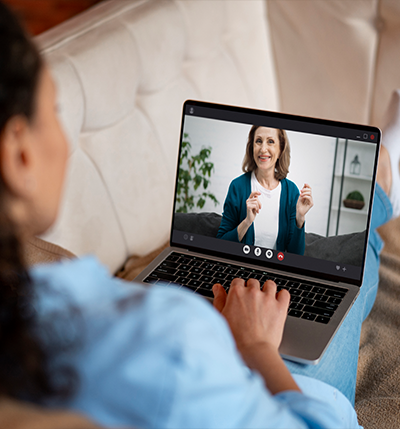
Initial consultation + medical evaluation via Zoom